Regulation beats blanket bans
A clear argument for insurance, training, speed zones, and enforcement instead of outlawing an entire device category.
The campaign needs repeatable public content: explainers, incident analysis, local-law watches, and updates people can forward without needing a policy background.
A clear argument for insurance, training, speed zones, and enforcement instead of outlawing an entire device category.
The data cities should collect before turning one serious incident into a broad restriction on responsible riders.
How riders can document citations, confiscations, insurance gaps, and local restrictions for attorneys and policymakers.
Insurance, visible ID, street access, speed tiers, sidewalk limits, and affordability all belong in the same serious policy conversation.
EUCs can help with clean transportation and congestion, but advocates have to address stop-sign running, sidewalk conflict, and commercial delivery chaos directly.
Shared fleet dashboards count scooters and e-bikes while private EUCs often remain invisible until a crash, complaint, or ban proposal.
A city-ready package for San Francisco, Austin, and similar cities: interim guidance, pilot data, device classes, speed tiers, visible ID, insurance, and enforcement.
The strategic research map: safety, sidewalks, insurance, missing private-rider data, and the record cities should build before bans.
Adaptable clause language for classifying EUCs, setting speed/context rules, and requiring accountability without erasing the device.
Riders should not be left guessing about registration, insurance, device class, and where they can legally ride when an officer stops them.
Story angles, quotes, fast facts, and shareable framing for reporters, creators, local advocates, and city staff.
A 30-day roadmap for signatures, city targeting, coalition work, public comments, legal intake, and social distribution.
A pedestrian-trust and Great Highway response strategy built around crossings, slow zones, accountability, and better data.
A car-light commuting and legal-access strategy for downtown, UT, transit gaps, trails, event districts, and shared paths.
A ready-to-use argument packet with model asks, public-comment language, official questions, and an email template for local policy fights.
EUC Rights Alliance should connect with the broader micromobility ecosystem: rider advocates, shared-mobility policy groups, and bike-safety organizations that already work with cities.
San Francisco-based advocacy focused on safety and legal status for personal electric vehicle riders.
A membership organization connecting cities, operators, manufacturers, and researchers around shared micromobility policy.
National bike advocacy and industry organization with policy, infrastructure, and electric-bike regulation experience.
A credible, rider-led answer to fear-based policy.
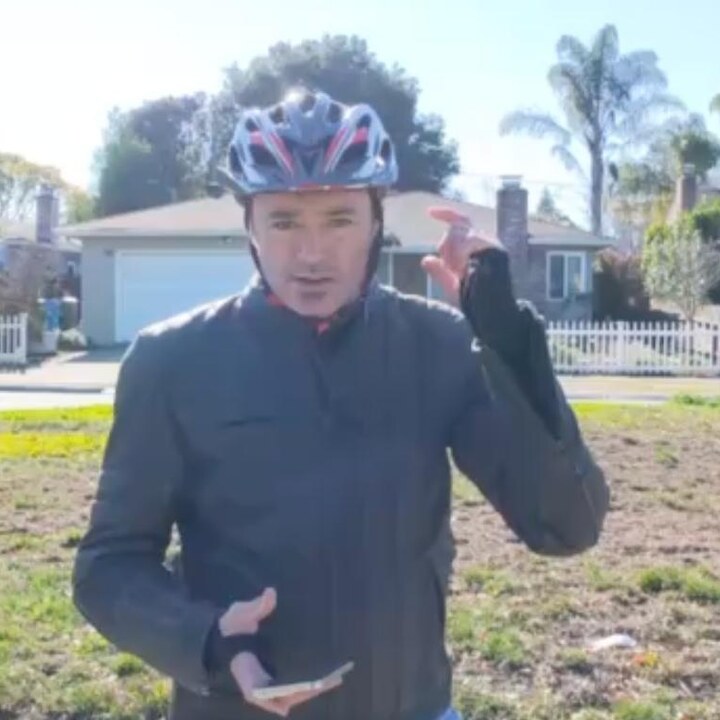
Video producer, FAA drone pilot, AI systems builder, and EUC rider focused on professional advocacy, public education, and practical systems that make rider organizing usable.