Start with facts
Track the actual incident: location, speed, pedestrian context, injury severity, device type, citation status, infrastructure design, and whether existing law was enforced.
When a pedestrian is hurt, the answer cannot be denial from riders or lazy calls to ban an entire transportation category. The answer is classification, enforceable speed rules, insurance pathways, crash reporting, and penalties for reckless operation.
Track the actual incident: location, speed, pedestrian context, injury severity, device type, citation status, infrastructure design, and whether existing law was enforced.
Reckless riders should face consequences. Responsible riders should have a legal way to ride, insure, register, train, and comply.
Rules that cannot be followed become informal bans. Cities need speed zones, pedestrian-area restrictions, lighting rules, right-of-way rules, and realistic compliance paths.
The advocacy angle is not pretending collisions never happen. It is showing that a broad ban is the least intelligent response to a specific safety problem.
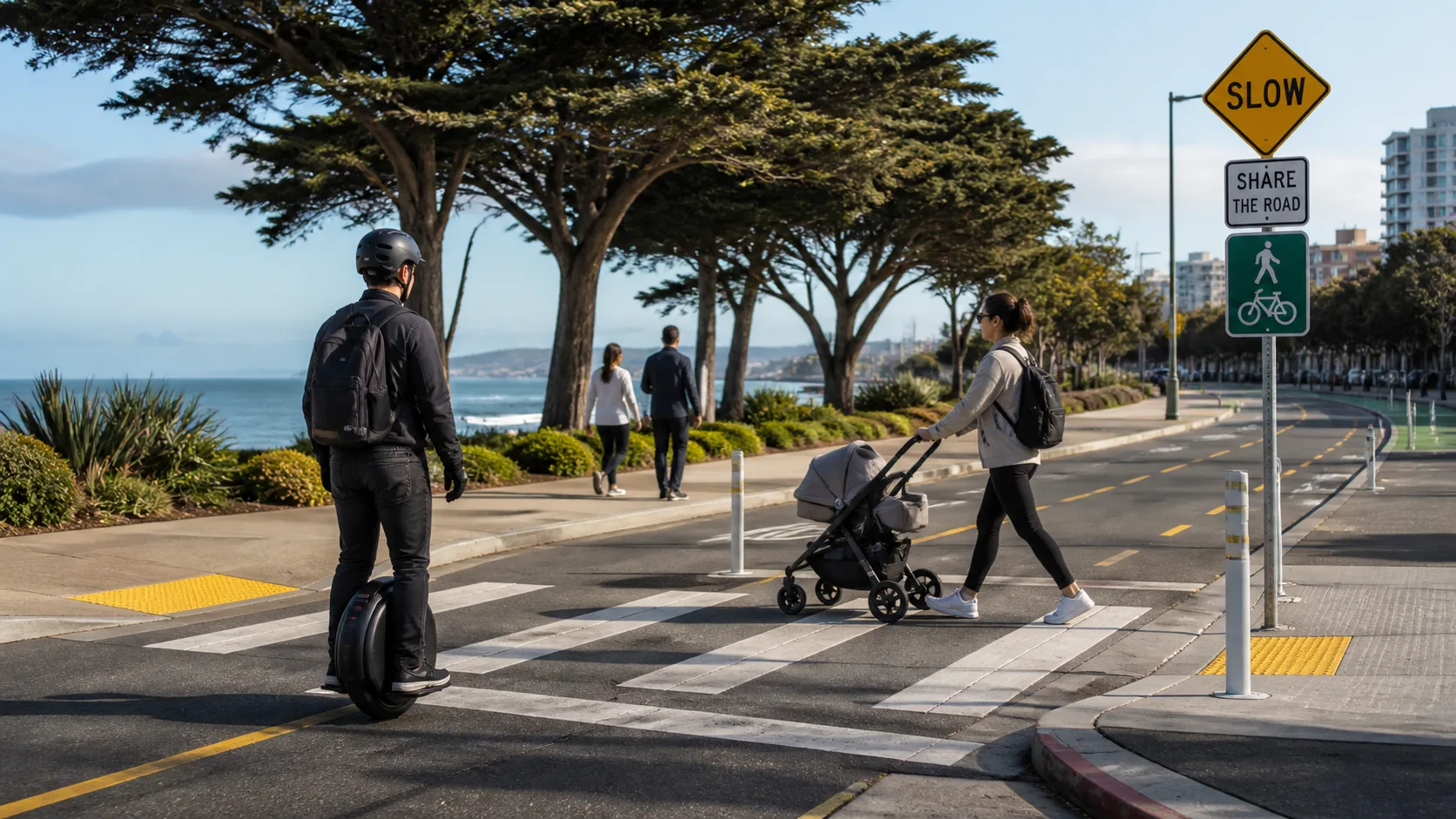
A serious incident deserves a serious safety response: slower zones near pedestrians, visible yielding rules, crash reporting, and liability coverage. That is different from pretending every responsible rider should disappear.
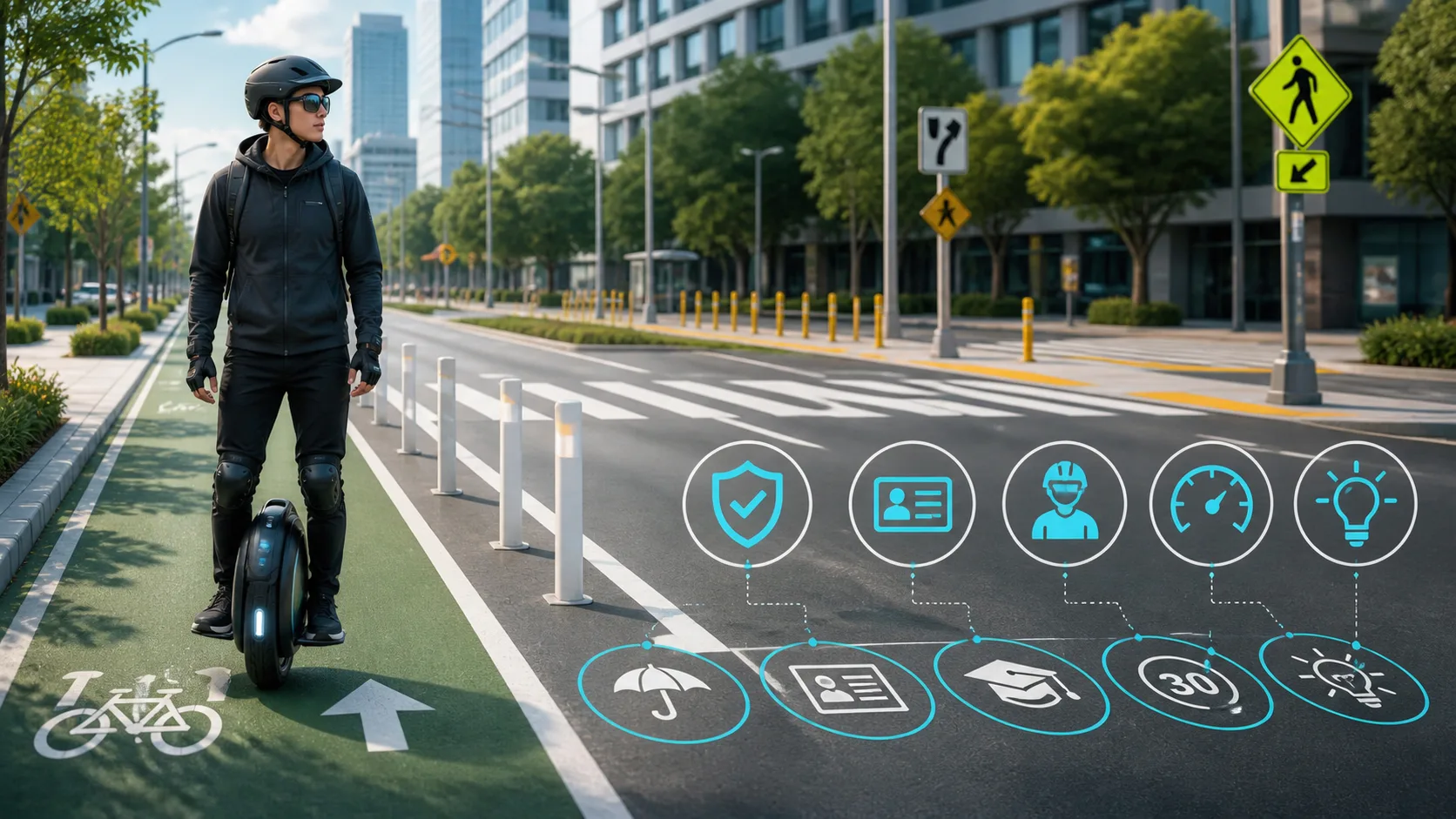
Reported July 2026. Mission Local reported that a woman crossing the closed Great Highway at Lawton Street was struck by an electric unicycle and taken to the hospital with non-life-threatening injuries. Bystanders reported a stroller, child, dog, and grandmother were present. A witness said the rider estimated he was traveling about 25 mph.
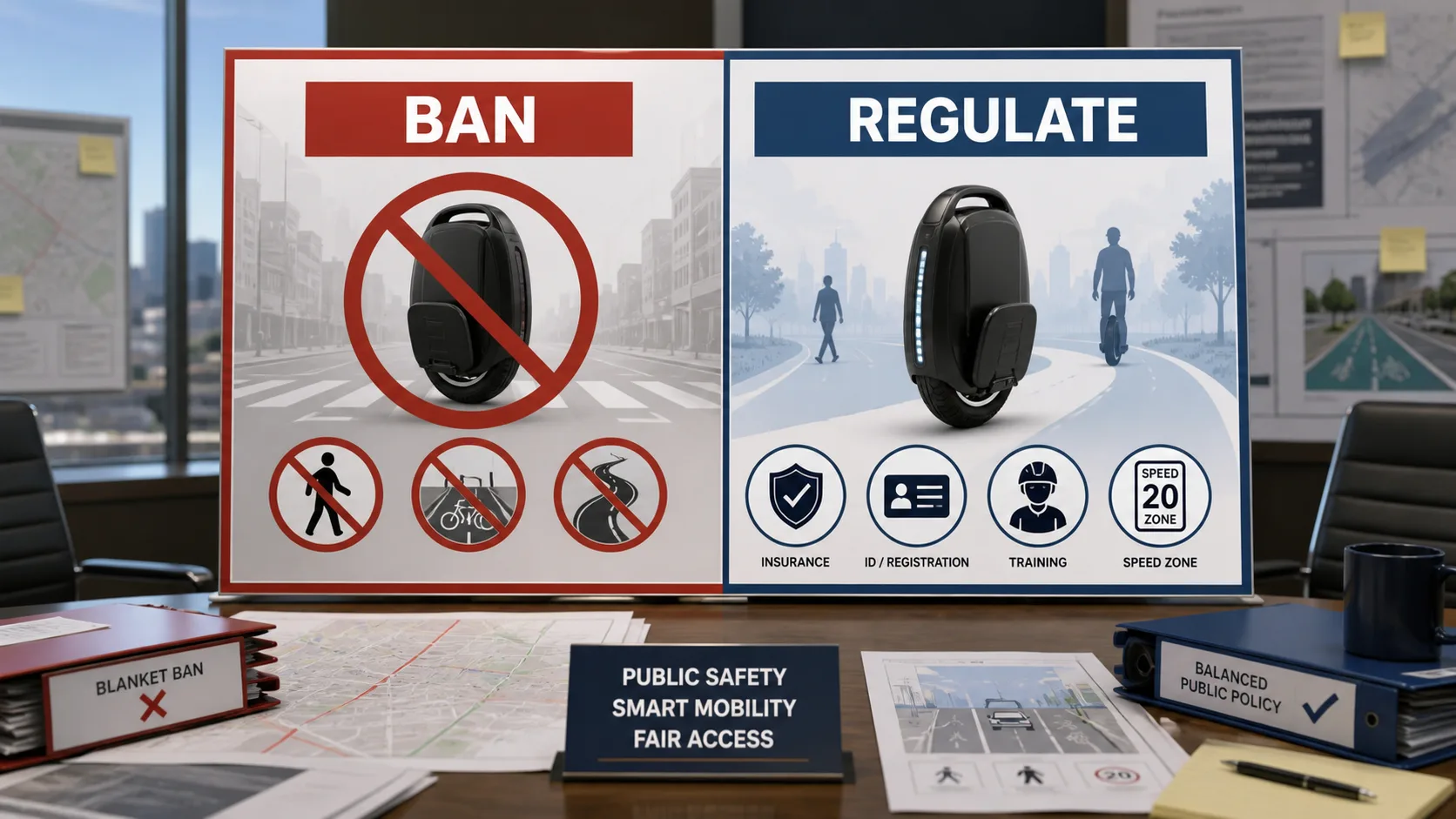
Shared pedestrian corridors need clear right-of-way rules, reduced speed near crossings, visible enforcement, incident reporting, and liability coverage options. A ban skips the hard work and leaves cities with the same conflicts under a different label.
Most cities do not register privately owned scooters, electric skateboards, EUCs, or e-bikes. That means official dashboards often count shared rental fleets while private EUC riders are invisible until a crash, complaint, or ban proposal hits the news.
The campaign database exists to fix that gap: collect rider locations, incident facts, lawful-use stories, insurance interest, local rules, citations, and legal impacts before policymakers decide the only available data point is a headline.
Strategic read: the “0 reported” entries do not mean zero private EUCs exist. They mean private ownership is not being counted the same way shared rental fleets are counted. That is exactly why a rider-built evidence database matters.